Mexican food culture is not simply a collection of recipes. It is a system of values, rituals, and social bonds expressed through cooking, eating, and sharing meals across generations.
In 2010, UNESCO inscribed traditional Mexican cuisine on its Representative List of the Intangible Cultural Heritage of Humanity. That recognition placed Mexican food alongside music, dance, and oral tradition as one of the world’s significant cultural expressions.
Understanding Mexican food culture means looking beyond the plate. It means examining who cooks, how they cook, and what the act of cooking represents in daily and ceremonial life.
Food as Identity in Mexico
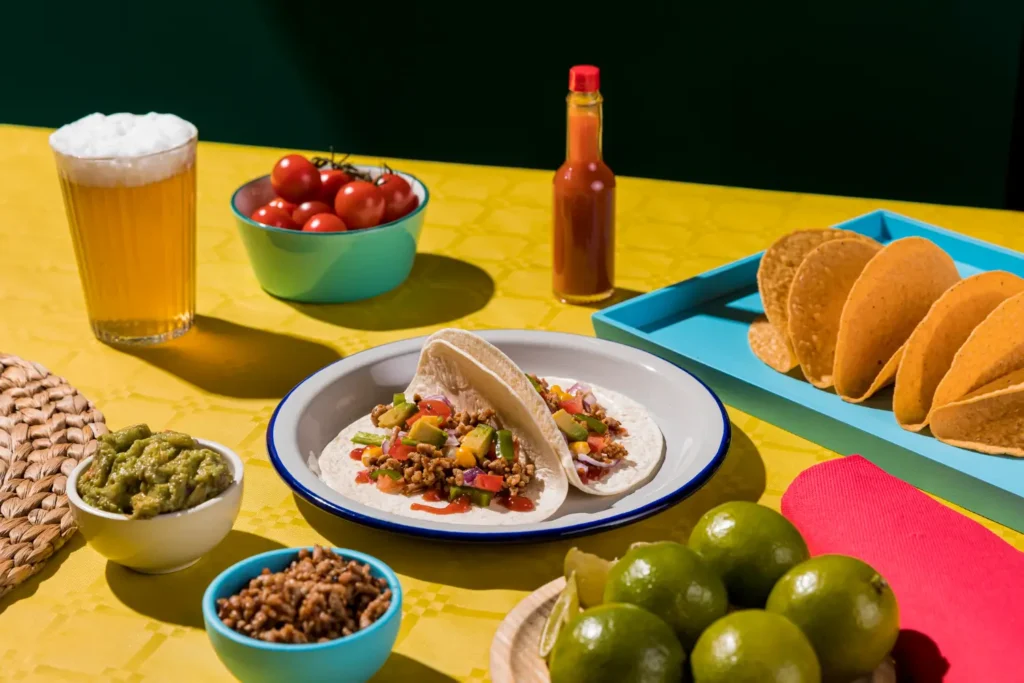
Food is one of the most powerful markers of regional and national identity in Mexico. Each state, and in many cases each town, maintains its own culinary traditions that distinguish it from neighboring communities.
A family from Oaxaca identifies with mole negro and tlayudas in a way that goes beyond taste preference. These dishes carry historical memory, connect living people to their ancestors, and mark life’s major transitions from birth to death.
Street food plays a particularly important role in this identity. Tamales at dawn, tacos al pastor at midnight, elotes from a cart in the afternoon; these eating rhythms structure daily life and reinforce a sense of place.
The market, or mercado, functions as the cultural center of food life in Mexican towns and cities. It is where ingredients are sourced, recipes are discussed, and food knowledge is exchanged between cooks who have been working the same stalls for decades.
The communal nature of the Mexican table also reflects cultural values around hospitality. Feeding a guest generously is a form of respect, and refusing a meal can cause genuine social offense.
Regional Diversity in Mexican Food Culture
The Cuisine of Oaxaca
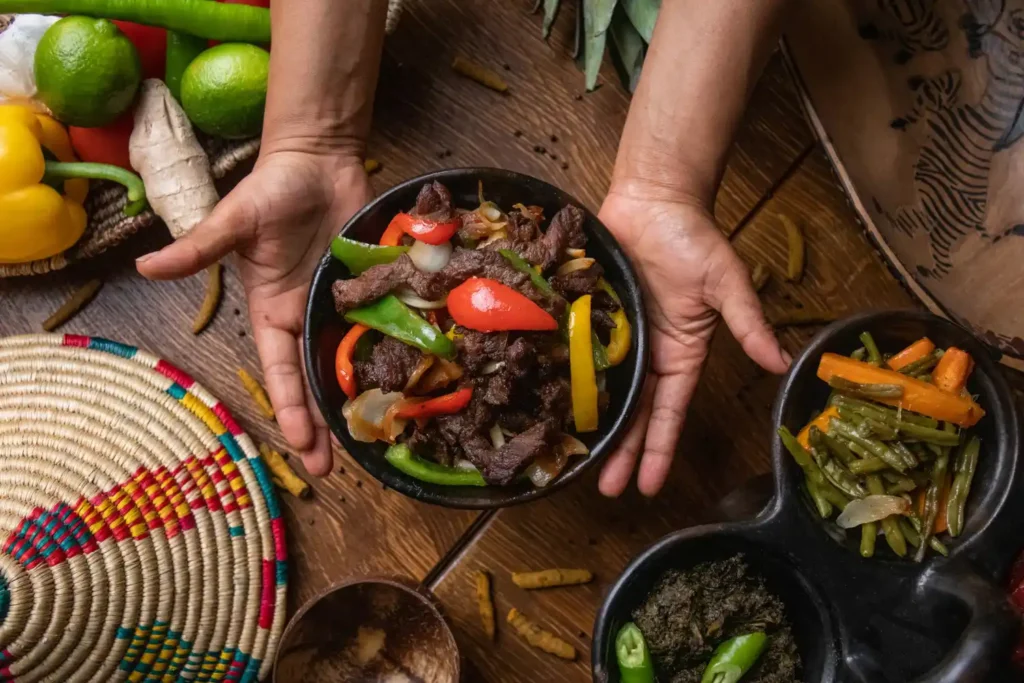
Oaxacan food is widely considered the most complex and diverse regional cuisine in Mexico. It is home to seven distinct mole varieties, a broad tradition of tlayudas, chapulines (toasted grasshoppers), and a rich chocolate culture centered around the city’s famous grinding mills.
The Oaxacan kitchen draws on pre-Columbian ingredients and techniques that survived colonization relatively intact. Corn, beans, chiles, and squash remain the foundation of the diet, used in combinations that have remained consistent for centuries.
The Cuisine of Puebla
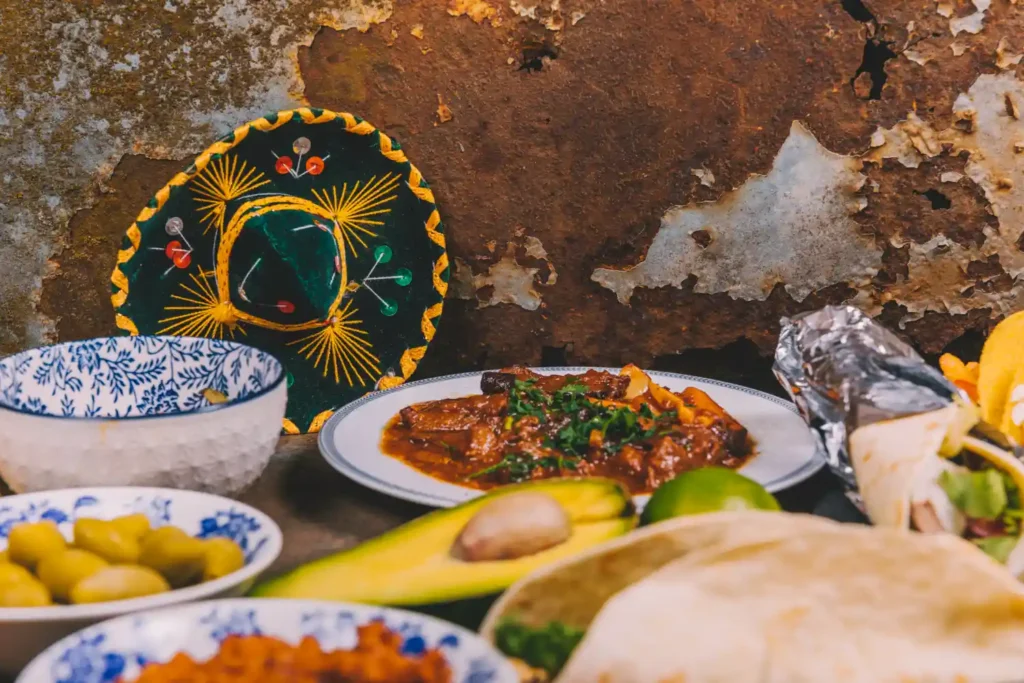
Puebla is the birthplace of mole poblano and chiles en nogada, two dishes considered national symbols. Its cuisine reflects the deep fusion of indigenous and Spanish colonial influences that occurred in urban convent kitchens during the 16th and 17th centuries.
Puebla’s culinary culture is also notable for its street food density. The city’s historic center is filled with vendors specializing in cemitas, memelas, and chalupas, each representing a distinct piece of the local food identity.